 May 6, 2026
  Sandy Hodge
  2 Minute Read
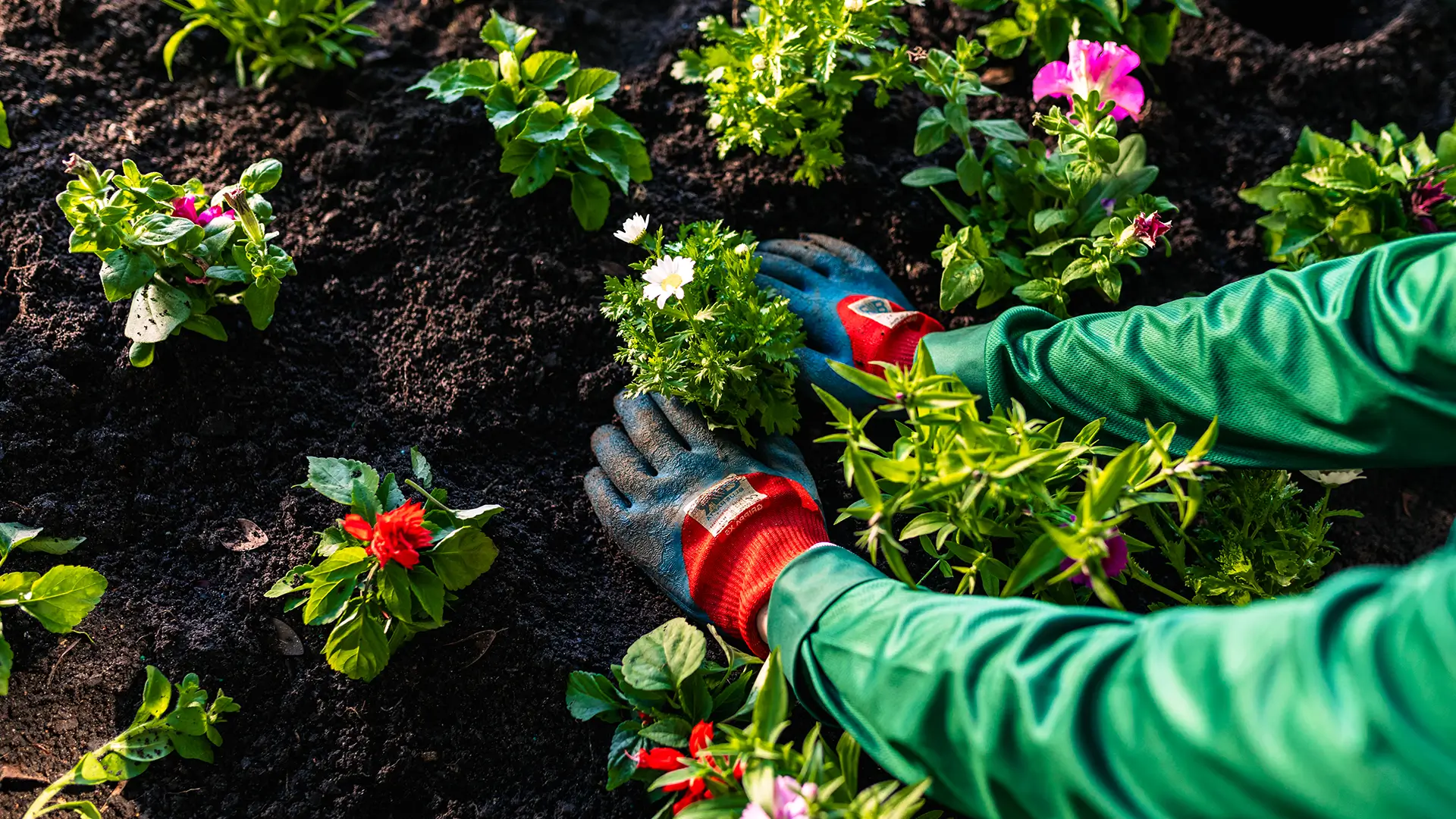
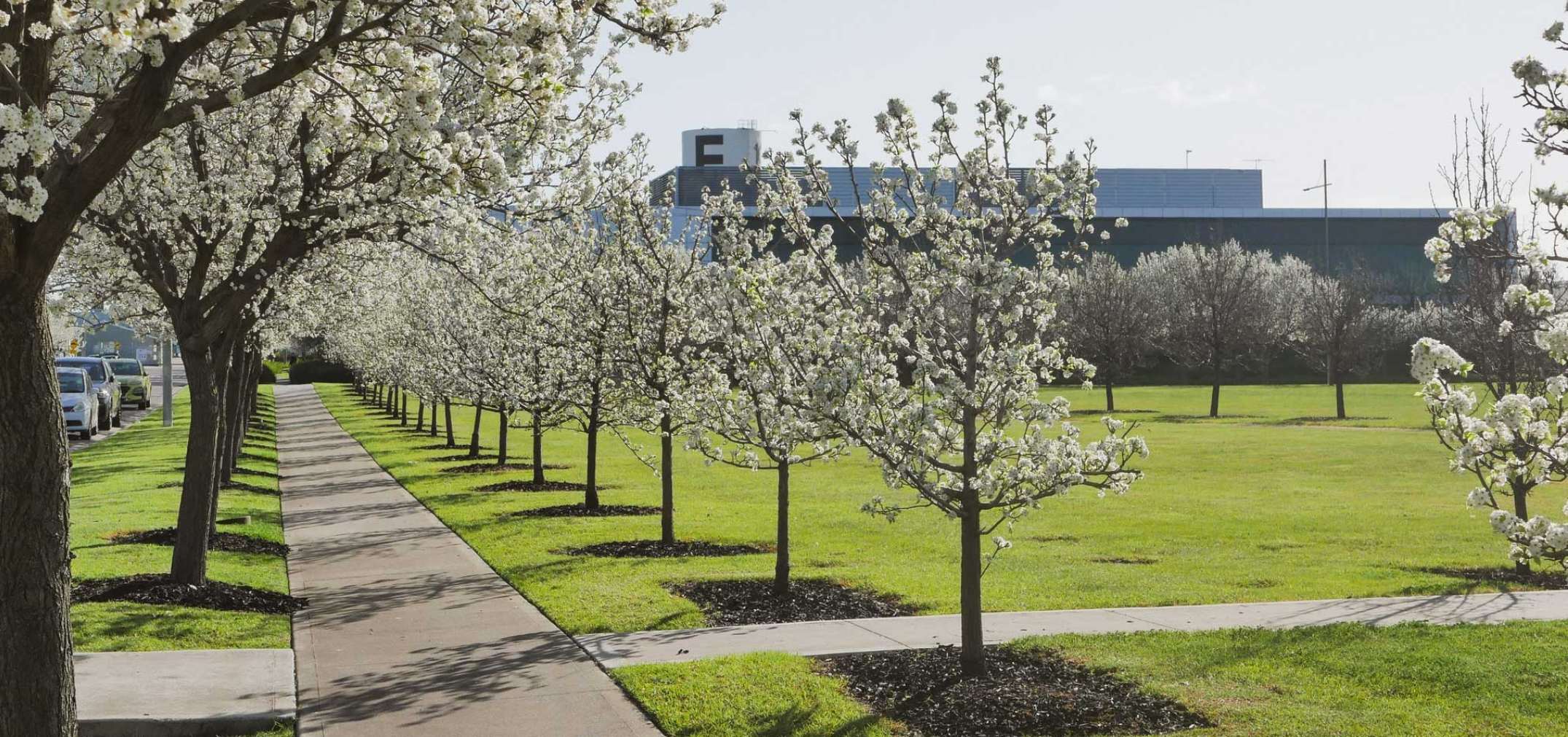
Cities are changing. What once felt like a hard edge between concrete and nature is now becoming softer, greener, and more intelligent. Across the world, urban landscapes are being redesigned not just to look better, but to work better for people, climate, and biodiversity. Sustainability is no longer an optional extra in city planning; it is becoming the foundation of good design.
A major part of this shift is the rise of integrated landscape thinking. Instead of treating parks, streets, rooftops, and public spaces as separate elements, designers are now connecting them into systems that manage water, reduce heat, and support ecological health. Water-sensitive urban design, for example, helps cities capture and reuse rainfall while reducing stormwater runoff. At the same time, greener surfaces and shaded spaces help cool overheated streets and make public areas more comfortable year-round.
Material choices are changing too. Bio-based and lower-impact materials are increasingly being used in construction and landscape projects, reflecting a broader move toward circular and low-carbon design. These approaches reduce environmental strain while still allowing for strong, functional, and attractive public spaces. Solar infrastructure is also playing a growing role, showing that sustainability can be built directly into the urban fabric rather than added on later.
The most exciting part of this evolution is that sustainability is no longer being seen as a compromise. It is shaping better places to live, work, and gather. Urban landscapes that include more vegetation, smarter drainage, renewable energy, and climate-responsive materials can improve wellbeing while also strengthening resilience. In other words, sustainability is becoming a design language in its own right.
For cities, the message is clear: the future is not about choosing between development and nature. It is about designing places where both can thrive. The smartest urban landscapes will be those that respond to climate pressures, support local ecosystems, and create everyday spaces people genuinely enjoy using. Greener cities are not a trend; they are the direction urban design has to take.